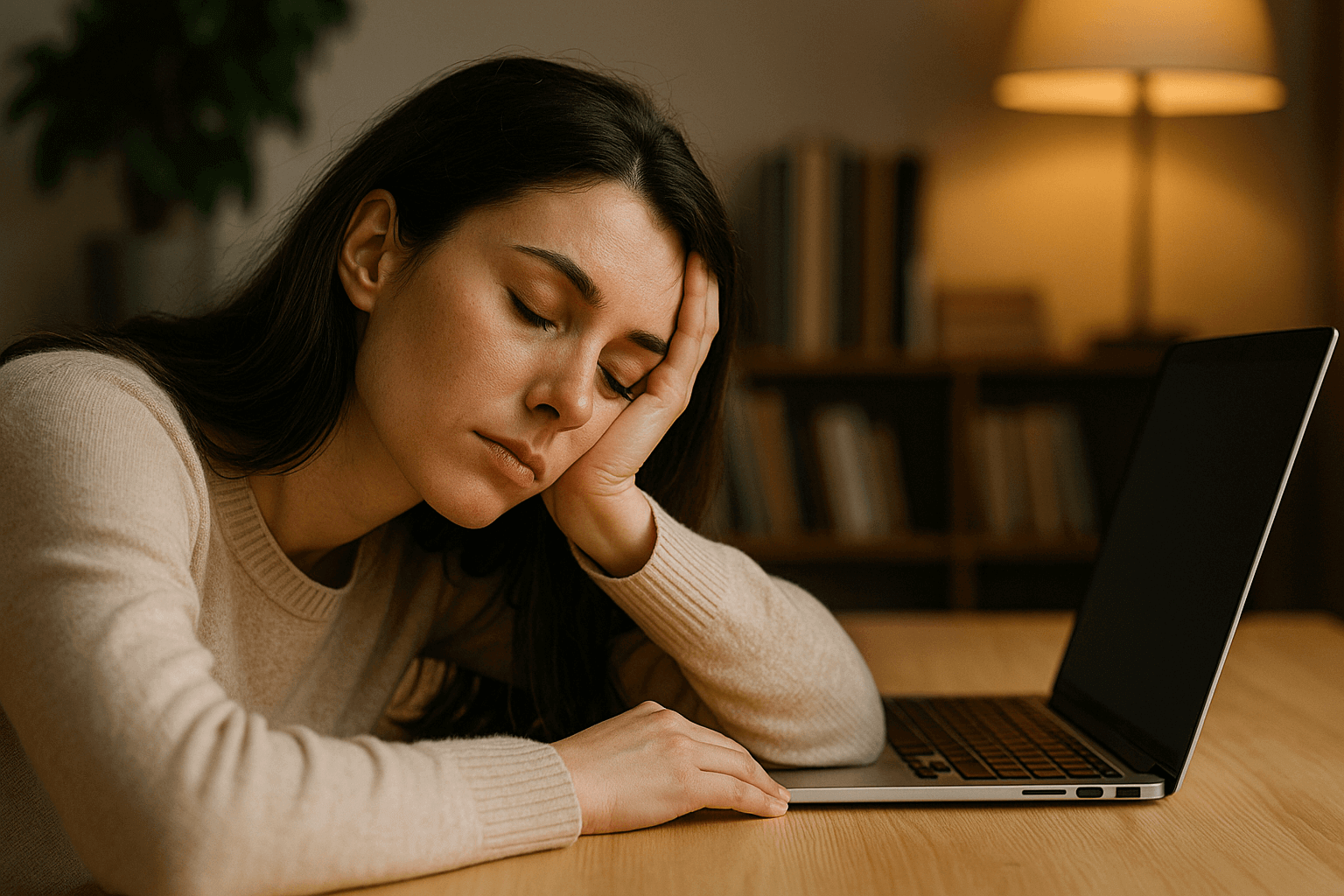
How Technology Affects Your Sleep (And What to Do About It)
Learn about blue light exposure, screen time effects, and practical strategies to use technology without sacrificing sleep quality.
The Digital Dilemma: How Modern Technology Disrupts Our Ancient Sleep Patterns
In the span of just two decades, technology has fundamentally altered how we approach bedtime. Our smartphones, tablets, laptops, and TVs have become constant companions, following us right into our bedrooms. But what price are we paying for this 24/7 connectivity? The answer lies in understanding how technology interferes with our natural sleep mechanisms and, more importantly, how we can harness technology's benefits while protecting our sleep.
This comprehensive guide explores the complex relationship between technology and sleep, backed by the latest research and practical solutions you can implement tonight.
The Science of Blue Light: Your Screen's Hidden Sleep Thief
Understanding the Blue Light Spectrum
Blue light, with wavelengths between 380-500 nanometers, is naturally present in sunlight and plays a crucial role in regulating our circadian rhythm. However, artificial blue light from screens poses unique challenges:
Key Research Findings
- • LED screens emit blue light 100x more intense than conventional lighting
- • 2 hours of screen exposure can suppress melatonin by up to 23%
- • Blue light exposure shifts circadian rhythm by up to 3 hours
- • Effects persist for several hours after screen use ends
The Melatonin Suppression Mechanism
When blue light hits specialized cells in your retina called intrinsically photosensitive retinal ganglion cells (ipRGCs), it triggers a cascade of effects:
- ipRGCs send signals to the suprachiasmatic nucleus (your brain's master clock)
- This suppresses pineal gland production of melatonin
- Without adequate melatonin, sleep onset is delayed
- Sleep architecture is disrupted, reducing REM and deep sleep
- Morning grogginess increases due to shifted circadian rhythm
Beyond Blue Light: The Psychological Impact of Technology on Sleep
The Dopamine-Sleep Connection
Social media, games, and streaming services are designed to be addictive. They trigger dopamine releases that keep us scrolling "just one more time." This creates several sleep-disrupting effects:
Psychological Arousal
- • Increased heart rate from exciting content
- • Elevated cortisol from stressful news
- • Racing thoughts from information overload
- • FOMO (Fear of Missing Out) anxiety
Sleep Procrastination
- • "Revenge bedtime procrastination"
- • Loss of time awareness while scrolling
- • Difficulty disengaging from content
- • Habit-forming behavior patterns
The Email Anxiety Phenomenon
Research shows that 79% of smartphone users check their device within 15 minutes of waking up, and 55% check email in bed before sleep. This creates:
- Anticipatory stress about tomorrow's tasks
- Activation of work-mode thinking patterns
- Increased cortisol when reading stressful messages
- Difficulty achieving mental separation from work
The Hidden Culprits: Lesser-Known Tech Sleep Disruptors
Electromagnetic Fields (EMF)
While research is ongoing, some studies suggest that EMF exposure from devices may affect sleep quality:
- WiFi routers may impact melatonin production
- Cell phone radiation could alter sleep EEG patterns
- Smart home devices create constant low-level EMF exposure
Notification Disruption
Even when not actively using devices, notifications create sleep problems:
Studies show that even one notification during the night can fragment sleep cycles, reducing sleep efficiency by up to 12% and increasing next-day fatigue by 25%.
The Bedroom Entertainment System
Having a TV in the bedroom is associated with:
- 30 minutes less sleep per night on average
- Increased likelihood of sleep disorders
- Higher rates of nighttime awakenings
- Conditioned association between bed and entertainment
Practical Solutions: Your Technology-Sleep Action Plan
The Digital Sunset Protocol
Create a structured approach to winding down your tech use:
3-2-1 Tech Shutdown
- 3 hours before bed: No more work emails or stressful content
- 2 hours before bed: Switch devices to night mode, dim screens
- 1 hour before bed: All screens off, phone on charge outside bedroom
Blue Light Management Strategies
Hardware Solutions
- • Blue light blocking glasses (amber lenses)
- • Screen filters for monitors
- • Smart bulbs with warm evening settings
- • E-readers with warm light options
Software Solutions
- • f.lux or Night Shift for computers
- • Android Night Light/iOS Night Shift
- • Dark mode on all apps
- • Automatic scheduling of night modes
Creating a Tech-Free Sleep Sanctuary
- Charge Station Setup: Create a charging station outside the bedroom
- Alarm Alternative: Use a traditional alarm clock instead of phone
- TV Removal: Move entertainment systems to living areas
- EMF Reduction: Turn off WiFi router at night or use timer
- Do Not Disturb: Enable automatic DND mode from 9 PM to 7 AM
Tech Tools That Actually Improve Sleep
Not all technology is bad for sleep. When used correctly, these tools can enhance your rest:
Sleep Tracking Apps and Devices
Benefits when used properly:
- • Identify sleep patterns and disruptions
- • Track sleep debt accumulation
- • Optimize wake times based on sleep cycles
- • Monitor environmental factors (temperature, noise)
White Noise and Sleep Sound Apps
Strategic use of sound technology can improve sleep:
- Pink noise shown to enhance deep sleep
- Nature sounds reduce stress and anxiety
- Binaural beats may promote relaxation
- Consistent background noise masks disruptions
Smart Home Sleep Optimization
Automated systems can support better sleep:
- Smart thermostats for optimal temperature cycling
- Automated blackout curtains
- Gradual wake-up lighting systems
- Air quality monitors and purifiers
Special Considerations for Different Groups
Teenagers and Young Adults
This group faces unique challenges:
- Naturally delayed circadian rhythms compound tech effects
- Higher social media use increases sleep disruption
- Academic screen time adds to exposure
- Solution: Implement stricter digital curfews and use blue light filters on study devices
Remote Workers
Working from home blurs boundaries:
- Create physical separation between work and sleep spaces
- Use separate devices for work and personal use
- Implement hard stops on work communications
- Consider using a light therapy lamp during work hours
Shift Workers
Technology can help or hinder irregular schedules:
- Use blue light strategically to stay alert during night shifts
- Employ aggressive blue light blocking when transitioning to day sleep
- Utilize sleep apps designed for shift work patterns
- Create automated smart home routines for different shift schedules
The 30-Day Tech-Sleep Reset Challenge
Transform your relationship with technology and sleep in just one month:
Week 1: Awareness
- • Track current screen time before bed
- • Note sleep quality and morning energy
- • Identify your biggest tech-sleep challenges
Week 2: Implementation
- • Install blue light filters on all devices
- • Create charging station outside bedroom
- • Set up automated Do Not Disturb schedules
Week 3: Optimization
- • Implement 3-2-1 tech shutdown routine
- • Replace evening screen time with relaxing activities
- • Experiment with sleep-promoting apps
Week 4: Integration
- • Fine-tune what works best for you
- • Create long-term sustainable habits
- • Share success with accountability partner
Conclusion: Mastering Technology for Better Sleep
Technology isn't inherently evil for sleep—it's all about how we use it. By understanding the mechanisms through which screens and devices affect our rest, we can make informed decisions that protect our sleep while still enjoying technology's benefits.
The key is creating boundaries and using technology intentionally rather than reactively. Start with one or two changes from this guide, and gradually build a tech routine that supports rather than sabotages your sleep.
Remember: every night you prioritize sleep-friendly tech habits is an investment in tomorrow's energy, focus, and well-being. Your future self will thank you for making these changes today.
Ready to Optimize Your Sleep?
Apply what you've learned with our sleep calculator to find your optimal bedtime and wake-up times based on 90-minute sleep cycles.